Address
Blyth, Northumberland
U.K. NE24 2QW
Telephone
+44(0)1670 336766
Opening Hours
Monday to Friday: 08:00 - 17:30


Campervan electrical shop is the simplest way to describe what Voltforge is becoming: an engineering-led store for batteries, charging, monitoring and low-voltage DC electrical products used in campervan, vehicle, leisure and off-grid systems.
The aim is not to dump endless product onto the site and hope something sticks. The aim is to make the right parts easier to find, easier to understand and easier to specify properly. In a lot of this market, that is still a surprisingly rare ambition.
This campervan electrical shop is organised by system function first. That means batteries, charging and monitoring are grouped by what they actually do in the system, rather than by whatever enthusiastic marketing phrase happened to be printed on the packaging. If you already know which part of the system you are working on, start with the sections opposite and work down from there.
If you do not yet know exactly what type of product you need, the category pages are there to help. They explain the basic differences between related products, point out where the usual traps are, and give you a cleaner route into the catalogue than simply wading through an all-products grid and hoping for divine intervention.
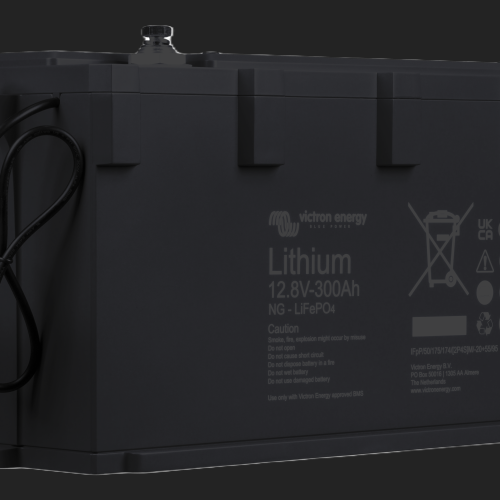
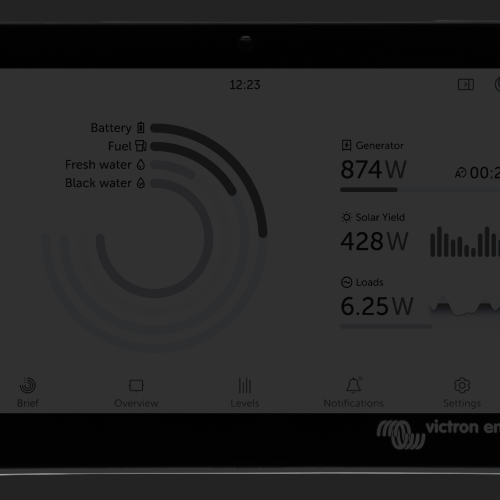
The batteries section covers the main battery types and the supporting products needed to make them behave properly, including battery protection. The charging section covers the practical charging methods used across vehicle, leisure and off-grid systems, from DC-DC chargers through to inverter chargers and simpler split-charge hardware. The monitoring section covers the products used to understand what the electrical system is actually doing, rather than leaving you to infer everything from battery voltage and vague optimism.
As a campervan electrical shop, Voltforge is also built around the idea that system behaviour matters just as much as product specification. A battery is only as useful as the charging and protection around it. A charger is only as good as its suitability for the battery and the source feeding it. A monitor is only helpful if it tells you something worth knowing. That is why the catalogue is being built carefully rather than simply inflated for appearances.
The category pages are intended to make browsing more useful for people who want to build or maintain a system properly. Whether the job is a straightforward auxiliary battery setup, a more serious off-grid arrangement or simply replacing tired hardware with something more appropriate, the goal is to reduce the amount of guesswork involved.
If you are still working out what type of product you need, start with the category that best matches the part of the system you are dealing with and follow it down. It is generally a better method than buying the first blue box that sounds confident.